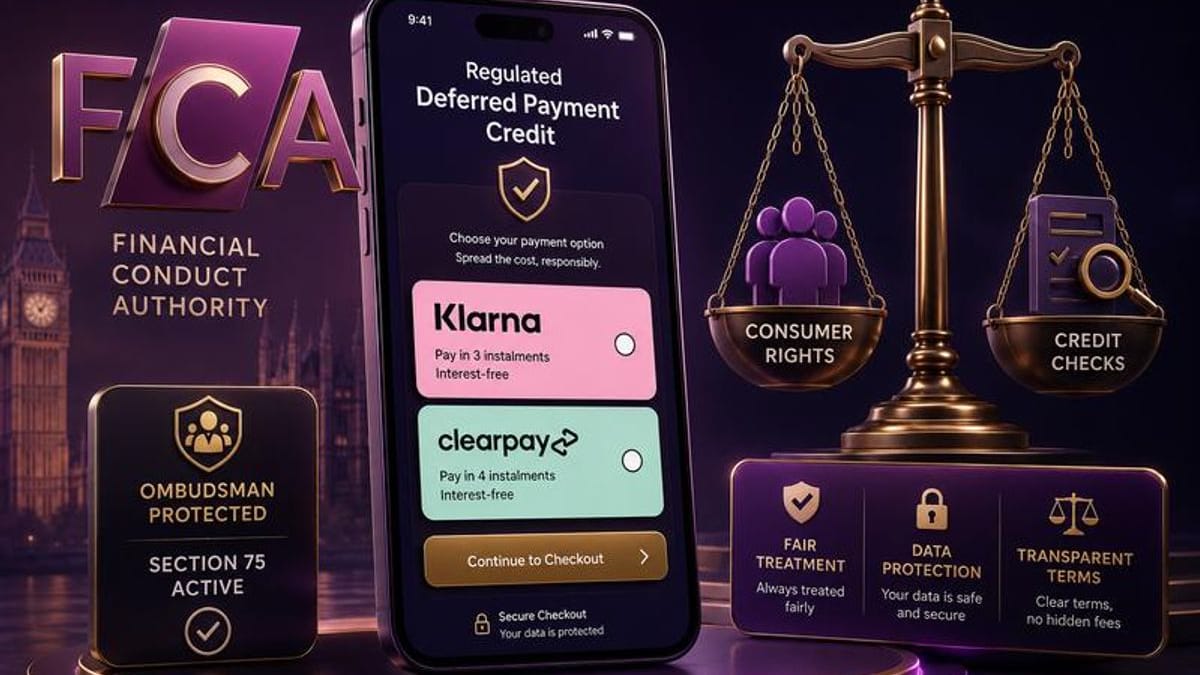
If a crypto firm wants UK customers, it needs the FCA's stamp. No authorisation = no legal operation in Britain. As of 2026, the FCA has rejected or withdrawn over 85% of crypto registration applications. The bar is genuinely high.
The regime expanded significantly in 2026. Previously, crypto firms only needed anti-money-laundering (AML) registration. Now, firms conducting regulated activities (issuing stablecoins, operating exchanges, providing custody) need full FCA authorisation. The same standard as banks and investment firms.
What authorisation requires
- Fit and proper persons test for directors and senior managers
- Adequate capital reserves proportional to business volume
- Thorough AML/KYC systems and ongoing monitoring
- Operational resilience plans (what happens if the platform goes down)
- Consumer Duty compliance (fair treatment, clear communications)
- Segregation of customer assets from company funds
The marketing restriction
Even for authorised firms, crypto promotion rules are strict. No misleading performance claims, no pressure tactics, mandatory risk warnings, and cooling-off periods for new retail investors. Social media influencer promotions must be FCA-compliant or face enforcement.
What this means for UK investors
- Check the FCA Register before using any crypto platform
- Authorised firms must provide a clear complaints process and access to the Financial Ombudsman
- If an authorised firm collapses, FSCS protection may apply (up to £85,000) depending on the activity
- Unregulated overseas platforms operating without FCA authorisation face enforcement action