Your pension on day one of retirement is not the pension you receive five years later. Dearness Relief ensures it keeps pace with the cost of living, and it is revised every January and July.
The formula is straightforward: DR% = ((12-month average CPI-IW) / Base CPI - 1) × 100. The percentage is applied to your basic pension amount, and the combined figure becomes your new effective pension.
As of July 2026, the DR rate for central government pensioners stands at 55%, meaning a pensioner with ₹40,000 basic pension receives an additional ₹22,000 as DR, totaling ₹62,000/month.
Why this matters under UPS
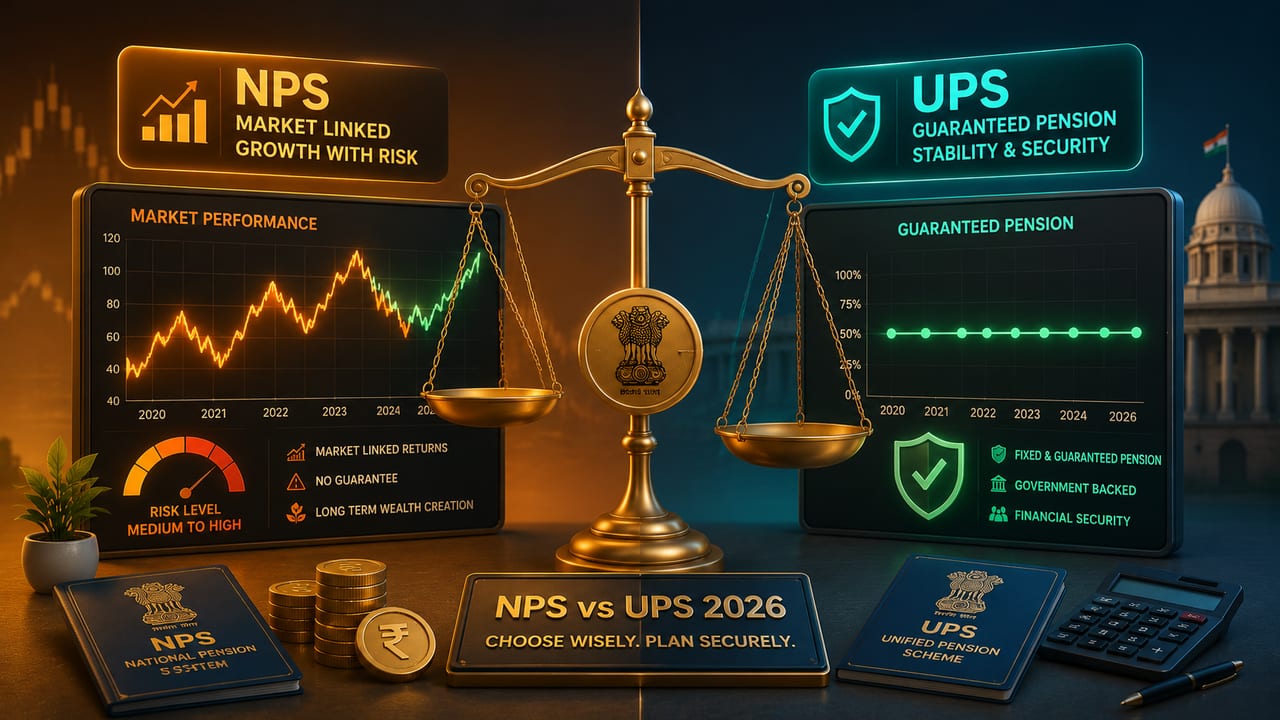
The Unified Pension Scheme explicitly includes DR indexation. So the "50% of basic pay" pension is not static. It compounds with inflation adjustments over decades of retirement. A ₹39,000 starting pension might be ₹85,000 in purchasing-power terms after 15 years of DR adjustments.
DA vs DR: the confusion
Working employees get Dearness Allowance (DA). Retirees get Dearness Relief (DR). Same formula, same index, same revision dates: different names based on employment status. When DA is revised for serving employees, DR is revised identically for pensioners on the same date.