
The Plan Millions Relied On Just Disappeared, and the Clock Starts July 1
The SAVE plan is gone. A federal court order issued on March 10, 2026 permanently ended the Saving on a Valuable Education plan, the income-driven repayment plan that had become the default choice for millions of borrowers because of its unusually low payments. Starting July 1, 2026, the Department of Education is giving borrowers a 90-day window to choose a replacement repayment plan. If you do nothing, the Department will default you into a Standard or Tiered Standard Repayment Plan on your behalf—a fixed-payment mortgage-style plan that could cause maximum payment shock.
This is not a routine paperwork exercise. The SAVE plan capped monthly payments at roughly 5% of discretionary income for undergraduate loans, a rate far below standard repayment options. Moving off SAVE can more than triple your monthly payment overnight, a jolt financial planners are calling payment shock. The difference between choosing wisely and being auto-enrolled could be hundreds of dollars a month, and tens of thousands of dollars over the life of your loans.
This guide explains exactly what happened to SAVE, what the 90-day window means, how to calculate your personal payment shock, and how to choose between the replacement options—including the brand-new Repayment Assistance Plan (RAP) that launches July 1, 2026.
Important
The 90-day window opens July 1, 2026; it is a selection window, not a single deadline. Borrower advocates note you will not lose your loans or be thrown into immediate default on July 1; you will have roughly 90 days to select a plan. But if you miss the window, auto-enrollment will place you in a fixed Standard Plan with high monthly payments. Confirm your specific timeline through your loan servicer and StudentAid.gov.
What Actually Happened to the SAVE Plan
To understand your options, you need a quick recap of how SAVE died, because the legal history shapes what comes next.
The SAVE plan launched in 2023 as the Biden administration's replacement for the REPAYE plan. It was immediately popular because it offered the most generous terms of any income-driven plan: payments as low as 5% of discretionary income for undergraduate loans, a higher income exemption (225% of the poverty line), and a subsidy that stopped unpaid interest from growing your balance. Millions enrolled.
Then the lawsuits hit. SAVE was blocked by courts in 2024 and remained in legal limbo until March 10, 2026, when a final federal court order permanently ended the plan. The practical result: SAVE is permanently eliminated, and borrowers must transition to a plan with clear statutory authority.
Note
The Department of Education announced a 90-day transition window beginning July 1, 2026, allowing borrowers to actively select between Legacy IBR, ICR, Standard 10-Year, or the new Repayment Assistance Plan (RAP) launching the same day.
The 90-Day Window and the Auto-Enrollment Trap
Let's clear up the confusion around the July 1 launch date:
- You are not in immediate default on July 1. Your loans remain in good standing during the 90-day window.
- You can actively select a new repayment plan on StudentAid.gov during this window.
- If you do nothing, the Department of Education will auto-enroll you into the Standard 10-Year or Tiered Standard Plan. Because Standard plans do not adjust for income, auto-enrollment will impose the absolute highest monthly payment on lower- and middle-income borrowers.
Caution
Do not let yourself be auto-enrolled. The Standard Plan forces full principal and interest amortization over 10 years, which eliminates income protection and forfeits any path to loan forgiveness.
Understanding the New RAP Formula (No Poverty Line Math!)
The biggest misconception among borrowers is assuming the new Repayment Assistance Plan (RAP) uses the old discretionary-income and federal poverty line formulas. RAP completely ditched the discretionary income formula.
How RAP Payments Are Calculated (July 2026):
- Straight AGI Percentage Scale: RAP payments are calculated as a flat percentage of your total Adjusted Gross Income (AGI), ranging from 1% to 10% depending on your AGI bracket (e.g., 5% of AGI for earnings between $50,000 and $60,000).
- Dependent Credit: Borrowers receive a flat $50/month deduction per dependent (family size minus 1).
- Mandatory Minimum Payment: There is a mandatory $10/month minimum payment for all borrowers, regardless of how low your income is.
- 30-Year Forgiveness Timeline: RAP requires 30 years of qualifying payments for balance cancellation (compared to 20 or 25 years under legacy IDR plans).
Real Case Study: Priya's Payment Shock & Plan Comparison
Let's examine Priya, a marketing coordinator in Chicago with $38,000 in undergraduate federal loans, an AGI of $52,000, and a family size of one (0 dependents).
1. Under Terminated SAVE (Old Payment)
- SAVE protected 225% of the 2026 poverty line ($15,960 for 1 person = $35,910 threshold).
- Discretionary Income: $52,000 − $35,910 = $16,090.
- SAVE Monthly Payment (5%): $16,090 × 5% ÷ 12 = $67.04/month.
2. Under the New RAP Plan (Straight AGI Scale)
- At $52,000 AGI, Priya falls into the 5% AGI bracket ($50k–$60k range).
- Base RAP Annual Payment: 5% × $52,000 = $2,600/year.
- RAP Monthly Payment: $2,600 ÷ 12 = $216.67/month.
3. Under Legacy IBR (150% Poverty Line Formula)
- 2026 Federal Poverty Level (FPL): $15,960. 150% FPL = $23,940.
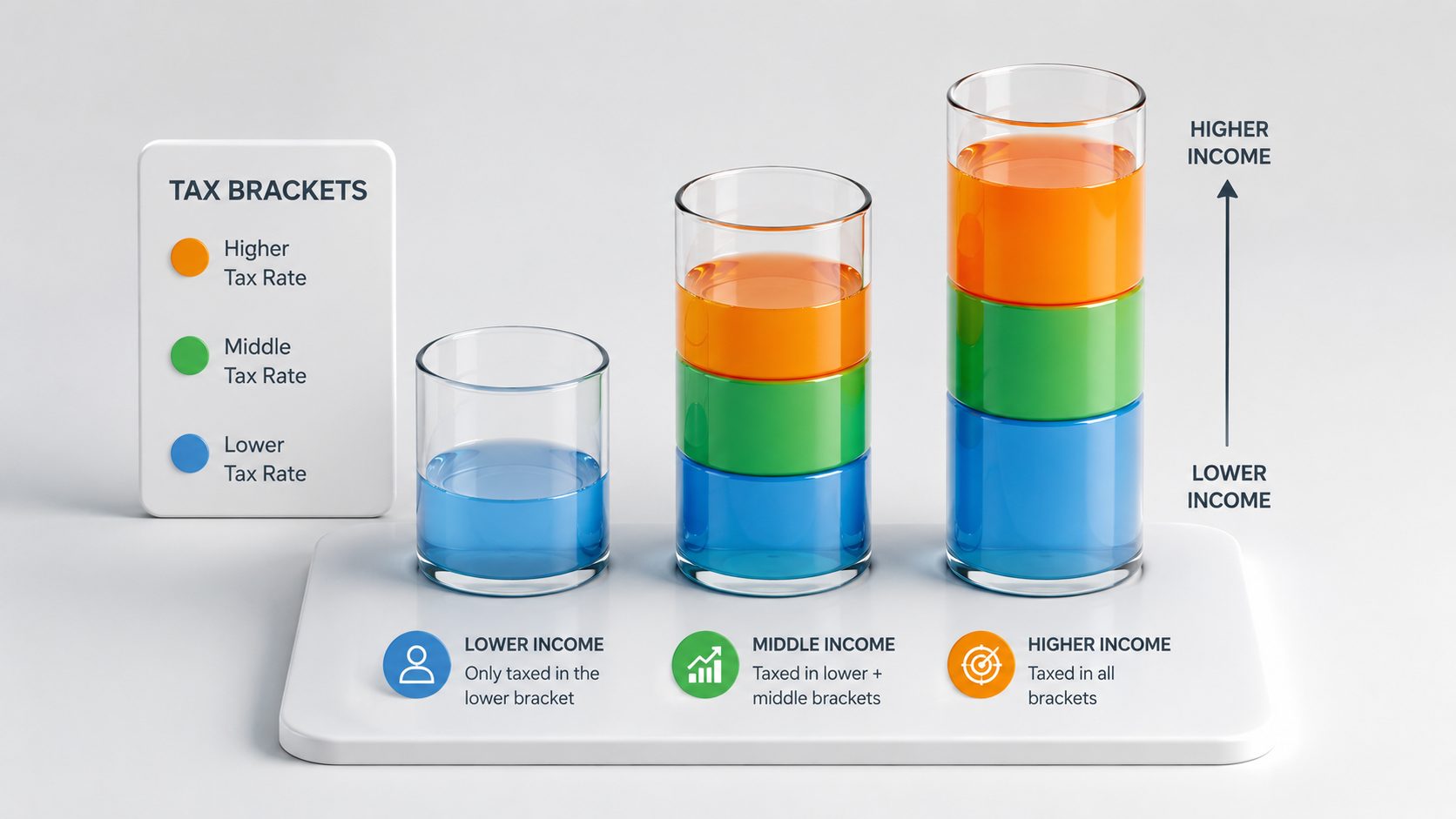
Income each formula shields before payments start
- Discretionary Income: $52,000 − $23,940 = $28,060.
- Legacy IBR Payment (10%): $28,060 × 10% ÷ 12 = $233.83/month.
4. Under Auto-Enrollment (Standard 10-Year Plan)
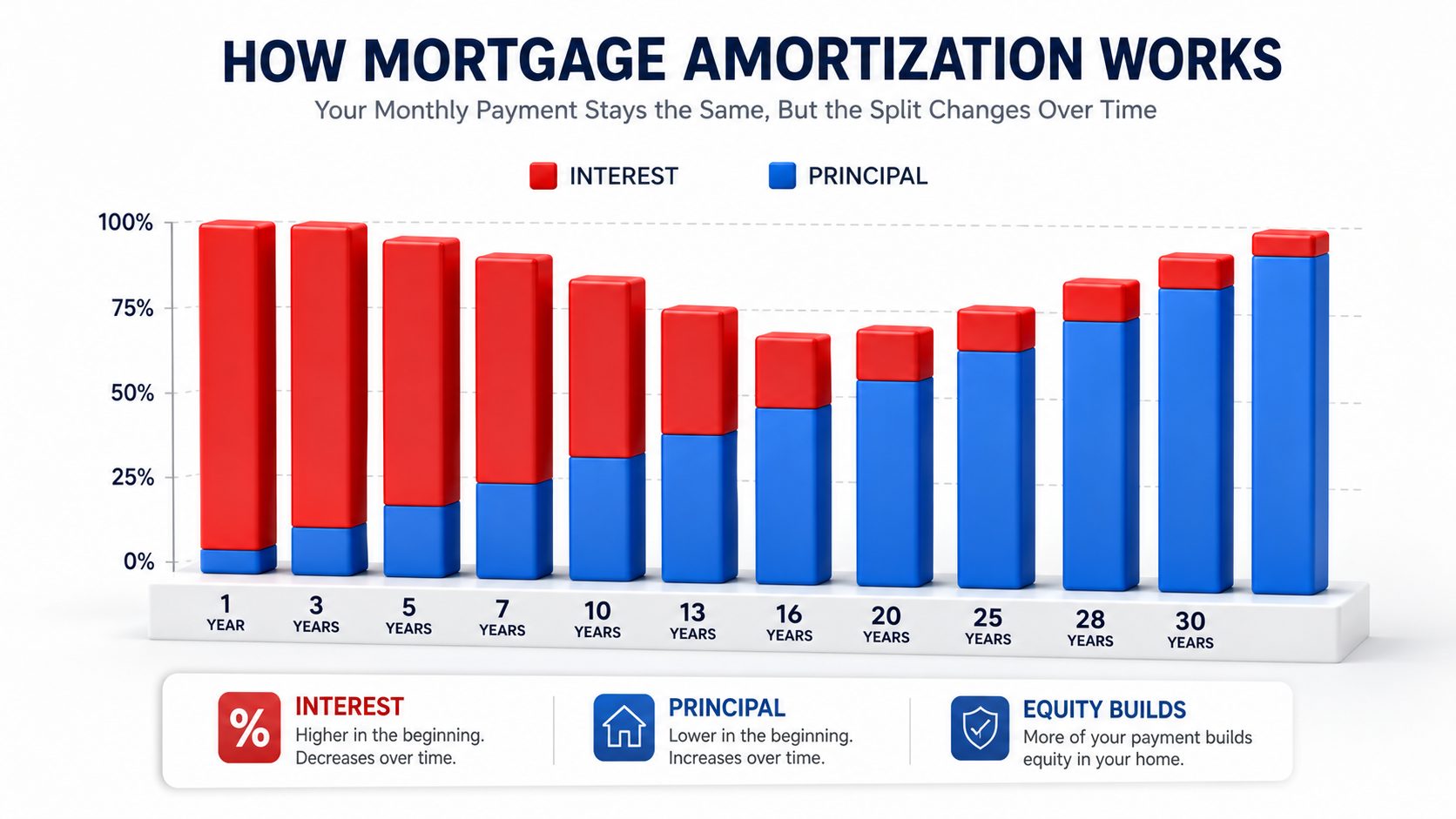
- $38,000 balance at 6.0% interest amortized over 10 years.
- Standard Monthly Payment: $421.88/month.
The Shock Comparison:
- Old SAVE Payment: ~$67.04/mo
- New RAP Payment: ~$216.67/mo (3.2× increase)
- Legacy IBR Payment: ~$233.83/mo (3.5× increase)
- Auto-Enrolled Standard Plan: ~$421.88/mo (6.3× increase!)
Priya's monthly payment under each plan
Priya's payment under RAP rises to $216.67/month ($149.63/mo higher than SAVE). But if she fails to act during the 90-day window, auto-enrollment will force her payment to $421.88/month.
Use our Student Loan SAVE Transition Calculator 2026 to enter your AGI, family size, state, and loan balance and calculate your exact payment under RAP, IBR, and Standard options.
Devon's PSLF Dilemma & Forgiveness Timelines
For Public Service Loan Forgiveness (PSLF) borrowers, the choice of plan is critical:
- PSLF Status: Qualifying payments under RAP and Legacy IBR count toward the 120-payment (10-year) tax-free PSLF forgiveness.
- Non-PSLF Forgiveness: If you are not in public service, RAP requires 30 years of payments for cancellation, whereas Legacy IBR offers cancellation after 20 years (for new borrowers post-2014) or 25 years.
How to Choose: Decision Checklist
- Identify Your Goal: If you want the lowest monthly payment under $60k income, RAP ($216.67/mo for Priya) is typically cheaper than Legacy IBR ($233.83/mo).
- Check Forgiveness Timelines: If you are not eligible for PSLF and want earlier cancellation, Legacy IBR (20-25 years) may be preferable to RAP (30 years).
- Act Before 90 Days: Log into StudentAid.gov between July 1 and September 28, 2026 to select your plan actively.