Loans

Repayment Suspension

Definition

A temporary pause on compulsory student loan repayment obligations for overseas-based NZ borrowers experiencing genuine financial hardship.

Key Takeaways

  • Pauses compulsory repayment demands during genuine financial hardship.
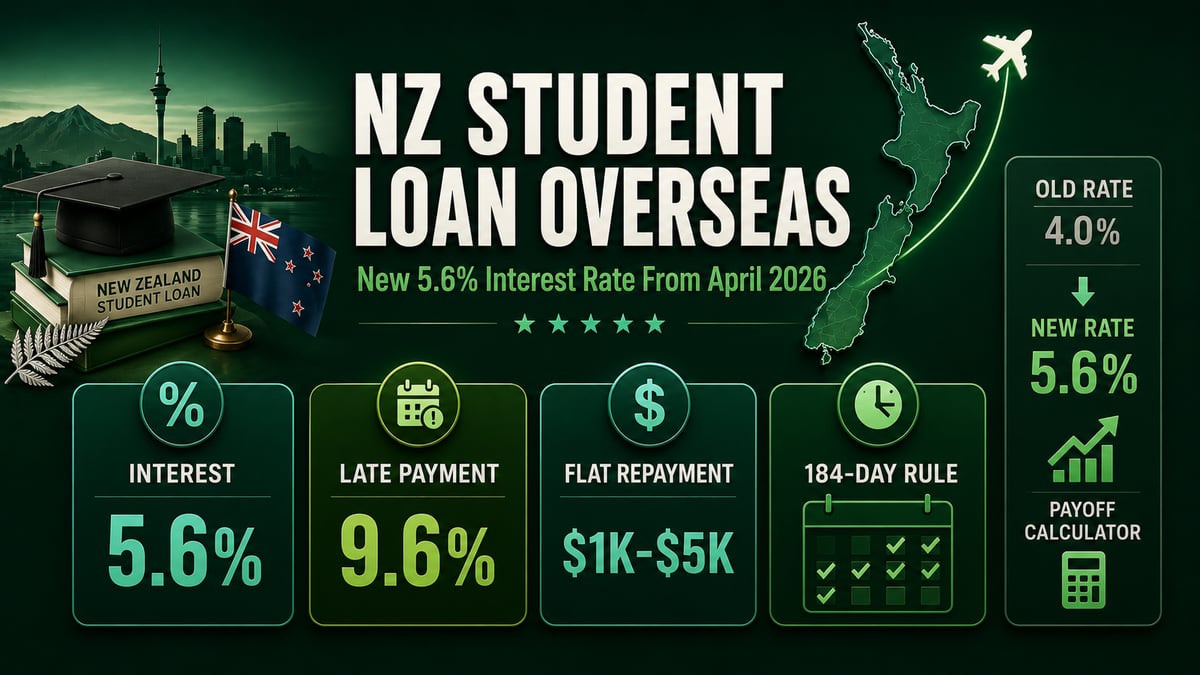
  • 5.6% interest continues accruing throughout the suspension period.
  • Typical duration: 6-12 months, renewable if hardship persists.
  • Prevents enforcement actions but does NOT reduce the loan balance.
  • A 2-year suspension on $40,000 adds ~$4,600 to the outstanding balance.

Detailed Explanation

Lost your job abroad? Medical emergency? Inland Revenue can temporarily suspend your compulsory repayment obligation, but the interest keeps running. A repayment suspension stops the IRD from chasing you for missed payments, but it does NOT stop the 5.6% interest clock.

To qualify, you must demonstrate genuine financial hardship: unemployment, serious illness, natural disaster, or income below a subsistence threshold. The suspension typically lasts 6-12 months and can be renewed if hardship continues.

What it does and does not do

  • DOES: Pause compulsory repayment demands and prevent penalties for non-payment
  • DOES: Stop IRD enforcement action (wage garnishment, tax refund interception)
  • DOES NOT: Stop interest accruing at 5.6% per annum
  • DOES NOT: Reduce your total obligation (balance grows during suspension)

The compounding trap

An overseas borrower with $40,000 outstanding who suspends payments for 2 years:

  • Interest year 1: $2,240
  • Interest year 2: $2,365 (compounding on the new higher balance)
  • Total added to balance: $4,605
  • New balance after suspension: $44,605

The suspension provides breathing room during crises but makes the long-term problem worse. It is a short-term relief tool, not a solution.

Two years of suspension vs active repayment: a $8,223 gap. The suspended borrower owes MORE than they started with. Suspension buys time but compounds the problem.
Verified Financial TermReviewed & verified by Galvin Mendonca, Finance Researcher
All figures from primary government sources. Last updated July 2026.

You Might Also Like

View All

Sources & references

The rules and figures on this page are researched from official primary sources:

Disclaimer: Definitions and explanations on this glossary page are provided strictly for general educational and informational purposes. They do not constitute formal financial, investment, legal, or tax advice. Financial regulations, caps, and limits change frequently. Always consult a qualified professional before making any financial decisions.