How Can You Calculate Your Exact UK Income Tax and National Insurance in 2026/27?
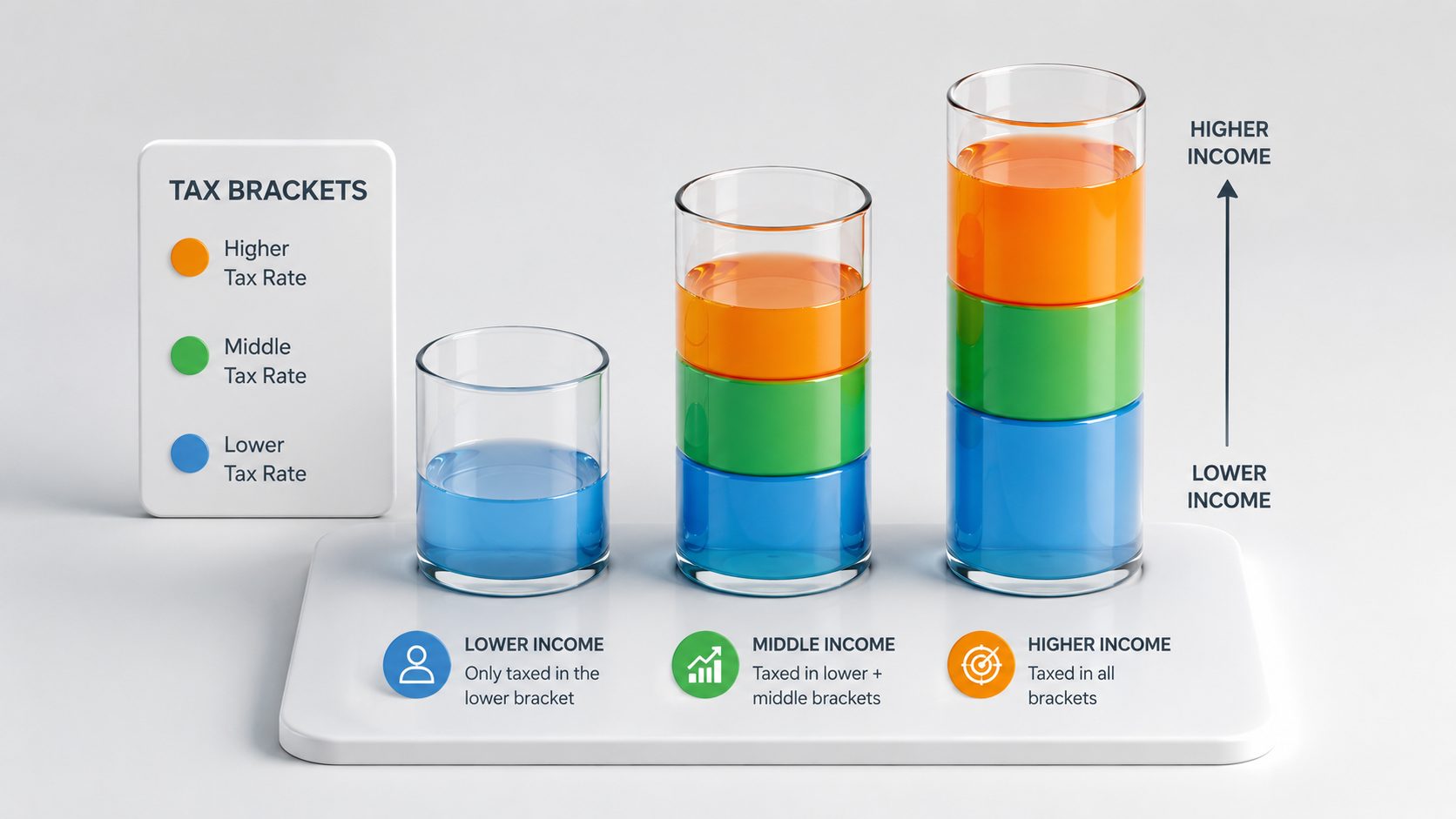
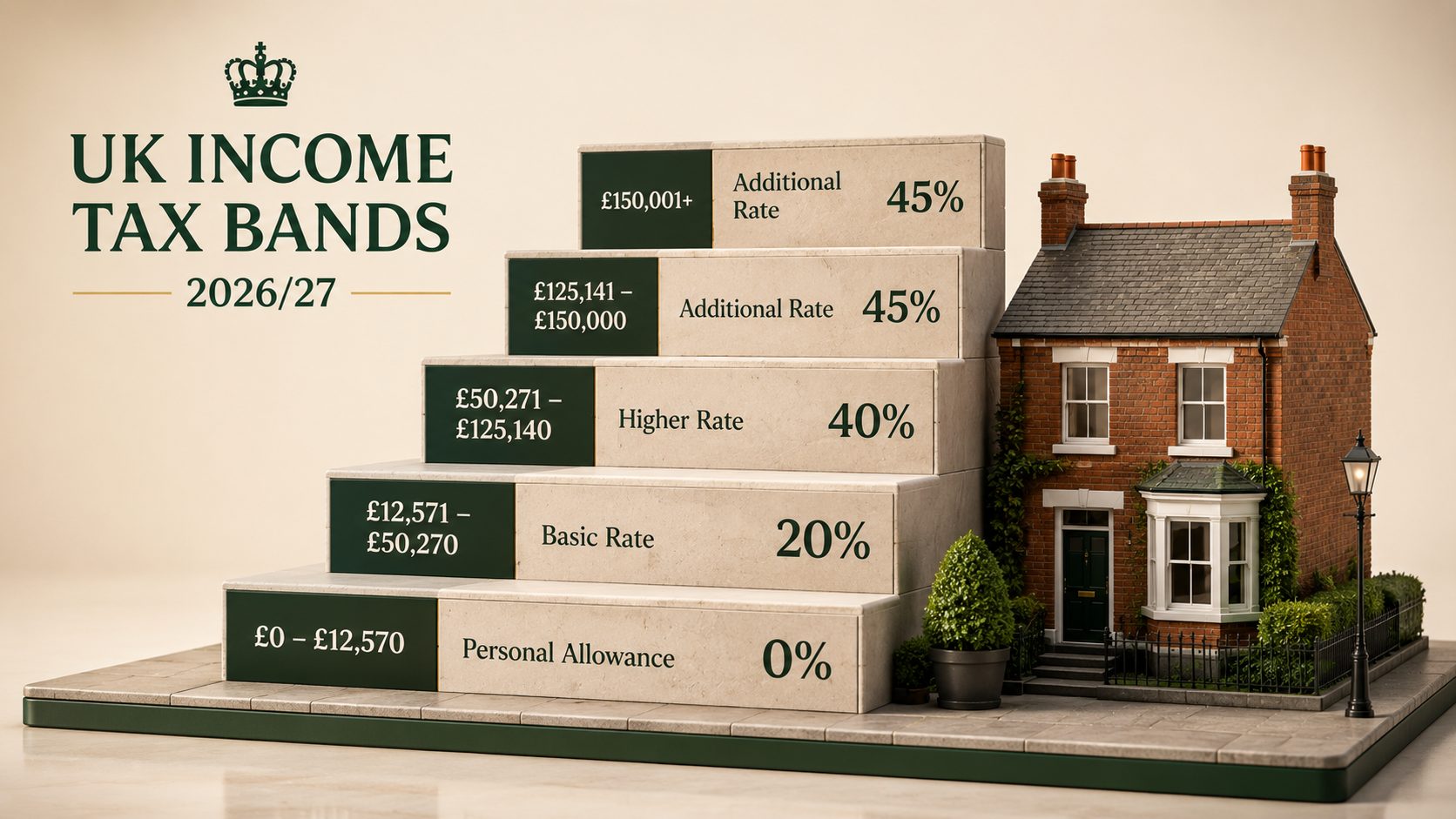
To calculate your UK income tax liability for the 2026/27 tax year (6 April 2026 to 5 April 2027), you must determine your total gross income, subtract your tax-free Personal Allowance of £12,570 (which phases out for incomes above £100,000), and apply the progressive tax bands (Basic 20%, Higher 40%, and Additional 45%). Additionally, you must factor in Class 1 employee National Insurance contributions, which are charged at a rate of 8% on earnings between £12,570 and £50,270.
Quick Answer Summary
- Personal Allowance: You pay 0% income tax on the first £12,570 of your income.
- Tax Bands: Earnings between £12,570 and £50,270 are taxed at 20% (Basic Rate). Earnings between £50,270 and £125,140 are taxed at 40% (Higher Rate). Earnings above £125,140 are taxed at 45% (Additional Rate).
- National Insurance: Salaried employees pay 8% on income between £12,570 and £50,270, and 2% on any earnings above £50,270.
UK Income Tax Bands & Rates for 2026/27
For taxpayers in England, Wales, and Northern Ireland, ordinary taxable income is taxed across the following bands:
| Tax Band | Taxable Income Range (2026/27) | Marginal Tax Rate | Cumulative Tax Base |
|---|---|---|---|
| Personal Allowance | Up to £12,570 | 0% | £0 |
| Basic Rate | £12,571 to £50,270 | 20% | 20% of amount over £12,570 |
| Higher Rate | £50,271 to £125,140 | 40% | £7,540 + 40% of amount over £50,270 |
| Additional Rate | Above £125,140 | 45% | £37,488 + 45% of amount over £125,140 |
Note: Scotland has a separate six-band progressive tax system, with a top rate of 48% on income above £125,140.
The Personal Allowance "Clawback" and the 60% Tax Trap
One of the most complex aspects of the UK tax system is the Personal Allowance phase-out for high earners. For every £2 you earn over £100,000 of adjusted net income, you lose £1 of your Personal Allowance.
- The Phase-Out Range: This clawback applies between £100,000 and £125,140. Once you reach £125,140, your entire £12,570 Personal Allowance is reduced to zero.
- The 60% Marginal Tax Rate: Because you are losing your tax-free allowance while simultaneously paying 40% tax on your income, any additional earnings in this range face an effective marginal tax rate of 60% (plus 2% National Insurance, making it 62%!).
This makes contributing to a pension extremely tax-efficient for individuals earning in the £100,000–£125,140 bracket, as pension contributions reduce your adjusted net income, restoring your Personal Allowance.
Employee National Insurance Contributions (NICs) in 2026/27
National Insurance is a separate payroll tax deducted from your wages to fund state pensions and public services. For the 2026/27 tax year, Class 1 employee NIC rates are:
- Primary Threshold (£12,570/year): You pay 0% National Insurance on earnings below this level.
- Basic Band (£12,570 to £50,270/year): You pay 8% on earnings within this range.
- Upper Earnings Limit (Above £50,270/year): You pay 2% on all earnings above this limit.
Case Study: Oliver's UK PAYE Calculation (£60,000 Salary)
Let's analyze Oliver, a 35-year-old marketing manager living in London. Oliver earns a gross salary of £60,000 through PAYE (Pay As You Earn) and has no other income or pension deductions.
Let's calculate Oliver's total tax and National Insurance bill for 2026/27:
Step 1: Calculate Income Tax
- Gross Income: £60,000
- Less Personal Allowance: -£12,570
- Taxable Income: £60,000 - £12,570 = £47,430
Now, apply the tax bands to Oliver's taxable income:
- Basic Rate Band (20%): The first £37,700 (which is £50,270 - £12,570) is taxed at 20%:
£37,700 × 20% = £7,540
- Higher Rate Band (40%): The remaining taxable income above £50,270 is taxed at 40%:
(£47,430 - £37,700) = £9,730 taxed at 40%:
£9,730 × 40% = £3,892
- Total Income Tax Owed: £7,540 + £3,892 = £11,432
Step 2: Calculate National Insurance
- Earnings between £12,570 and £50,270: £37,700 taxed at 8% = £3,016
- Earnings above £50,270: (£60,000 - £50,270) = £9,730 taxed at 2% = £194.60
- Total National Insurance Owed: £3,016 + £194.60 = £3,210.60
Step 3: Calculate Take-Home Pay
- Total Deductions: £11,432 (Income Tax) + £3,210.60 (NI) = £14,642.60
- Net Take-Home Pay: £60,000 - £14,642.60 = £45,357.40
Oliver's £14,642.60 in deductions on £60,000
Verdict: On a £60,000 salary, Oliver pays 24.4% of his total income in compulsory direct taxes, leaving him with a monthly net take-home salary of £3,779.78.
How to Legally Reduce Your UK Tax Bill
If you want to keep more of your earnings, consider these common tax-saving strategies:
- Maximize Pension Contributions: Contributions to a workplace or personal pension (like a SIPP) are eligible for tax relief at your marginal rate. If Oliver contributes £10,000 to his pension, his taxable income falls into the Basic Rate band, saving him £4,000 in income tax.
- Use Salary Sacrifice: Agreeing to reduce your cash salary in exchange for non-cash benefits (such as an electric company car, cycle-to-work scheme, or extra pension contributions) removes those earnings from both income tax and National Insurance calculations.
- Use ISAs (Individual Savings Accounts): While contributions to ISAs are made with after-tax money, all investment growth and withdrawals are 100% tax-free. You can invest up to £20,000 per year across Cash and Stocks & Shares ISAs.
Use the UK Salary Calculator to input your salary and pension contributions to project your exact monthly net take-home pay.
Advanced Strategic Implementation & Optimization for UK Taxpayers
UK taxpayers face unique challenges, including the 60% marginal tax trap and employee National Insurance bands.
UK Tax Planning Checklist
- Avoid the 60% Tax Trap: Monitor your adjusted net income to keep it below the £100,000 threshold.
- Maximize Pension Carry-Forward: Use unused pension allowances from the past three years to make large contributions.
- Use the £20,000 ISA Limit: Fund Stocks & Shares ISAs annually to shield investments from capital gains and dividend taxes.
Step-by-Step Pension Salary Sacrifice Strategy
- Inquire with Employer: Ask if your company offers a pension salary sacrifice scheme.
- Calculate Your Contribution Room: Determine how much you can contribute within the £60,000 annual allowance.
- Adjust Payroll Deductions: Direct your employer to deduct contributions from your gross pay before tax.
- Confirm National Insurance Savings: Verify that your payslip reflects lower employee NIC deductions.
Common Pitfalls & Audit Warnings
- Forgetting the Personal Allowance Clawback: Failing to predict that earnings above £100,000 trigger a 60% effective tax rate can lead to large tax bills.
- Exceeding the SIPP Annual Allowance: Contributing more than £60,000 (or your annual earnings) results in annual allowance tax charges.
- Ignoring Dividend Tax Changes: Neglecting to report dividend income above the £500 tax-free allowance can lead to HMRC penalties.
Advanced Tax Liability Scenario Modeling & Worksheets
We compare three UK salary levels to illustrate the impact of the 60% tax trap and employee National Insurance contributions.
UK Tax Scenario Table
| Metric | Profile A: Basic Rate | Profile B: The 60% Trap | Profile C: Additional Rate |
|---|---|---|---|
| Gross Salary | £45,000 | £115,000 | £160,000 |
| Personal Allowance | £12,570 | £5,070 (Clawed Back) | £0 |
| Income Tax Owed | £6,486 | £37,402 | £57,078 |
| National Insurance | £2,594 | £3,305 | £4,205 |
| Total Deductions | £9,080 | £40,707 | £61,283 |
| Effective Tax Rate | 20.17% | 35.39% | 38.30% |
Effective tax rate at three salary levels
Step-by-Step Tax Trap Math
Profile B: The 60% Trap (£115,000 Salary)
- Personal Allowance Clawback: Since the salary exceeds £100,000 by £15,000, the Personal Allowance is reduced by £7,500 to £5,070.
- Taxable Income: £115,000 - £5,070 = £109,930.
- Effective Marginal Rate: Every pound in this band is taxed at 40% plus the loss of personal allowance, creating a 60% tax trap.
4. How Does Earning Over £100,000 Create the 60% Tax Trap?
One of the most punitive quirks of the UK tax system is the "60% tax trap," which occurs when your adjusted net income falls between £100,000 and £125,140.
Normally, every UK resident receives a tax-free Personal Allowance of £12,570. However, for every £2 of income you earn over £100,000, your Personal Allowance is reduced by £1. This clawback creates an effective tax rate of 60% on this specific band of income.
Here is the step-by-step breakdown of how the math works if you earn £110,000:
- You earn £10,000 over the £100,000 threshold.
- This £10,000 is taxed at the Higher Rate of 40%, resulting in £4,000 in tax.
- Because of the clawback rule, your Personal Allowance is reduced by £5,000 (£10,000 ÷ 2).
- That £5,000 of income, which was previously tax-free, is now also taxed at the Higher Rate of 40%, resulting in an additional £2,000 in tax.
- Your total tax on the £10,000 raise is £6,000 (£4,000 + £2,000). This represents an effective tax rate of 60% (plus the 2% National Insurance rate, bringing the total marginal drain to 62%).
The 60% trap: tax on £10,000 earned above £100,000
How to Escape the Trap Using Pension Contributions
The most effective way to avoid this tax trap is to make a voluntary contribution to a registered pension plan (such as a SIPP or workplace pension). Pension contributions reduce your "adjusted net income."
If you earn £110,000 and contribute £10,000 to your pension, your adjusted net income drops back to exactly £100,000. Your full Personal Allowance is restored, and the entire £10,000 grows tax-deferred inside your retirement account rather than being taxed at 60%.
5. How Does Salary Sacrifice Actually Save You on National Insurance?
Salary sacrifice is a formal agreement between you and your employer where you agree to give up a portion of your cash earnings in exchange for non-cash benefits — most commonly pension contributions, a cycle-to-work scheme, or an electric vehicle lease.
Because your gross salary is legally reduced, you do not pay income tax or employee National Insurance (NI) on the sacrificed amount.
The Employee and Employer NI Match
For basic-rate taxpayers, employee National Insurance is charged at 8.0% (on earnings between £12,570 and £50,270). If you sacrifice £3,000 of your salary into your pension:
- You save £600 in income tax (20%).
- You save £240 in employee NI (8.0%).
- Your total out-of-pocket cost is only £2,160, while a full £3,000 enters your retirement account.
Furthermore, employers save 13.8% in employer National Insurance contributions on the sacrificed portion. Many progressive employers choose to pass some or all of this 13.8% saving back to the employee's pension pot, boosting your retirement growth even further.
6. When is it Worth Claiming the UK Marriage Allowance?
The Marriage Allowance is a simple tax relief scheme designed to help married couples or civil partners lower their joint tax bill. It allows one partner who earns less than the Personal Allowance (£12,570) to transfer up to £1,260 of their unused allowance to their spouse or civil partner.
Eligibility Criteria
To qualify for the Marriage Allowance in the 2025/26 and 2026/7 tax years:
- You must be married or in a registered civil partnership.
- The lower-earning partner must have an income below the Personal Allowance threshold of £12,570.
- The higher-earning partner's income must fall within the basic-rate tax band (between £12,571 and £50,270; or up to £43,662 in Scotland).
The Exact Savings
By transferring £1,260 of personal allowance, the higher earner's tax-free threshold increases by that amount, reducing their basic-rate tax liability by exactly £252 per year (£1,260 × 20%). You can also backdate claims for up to four years if you met the criteria in prior tax years, leading to a potential lump-sum payout of over £1,000.