Tax

TCS on Foreign Remittance

Definition

Tax Collected at Source deducted by banks on outward foreign remittances under LRS, acting as an advance tax payment creditable against the remitter's income tax.

Key Takeaways

  • TCS is an advance tax payment, NOT a final cost: fully creditable against income tax liability.
  • ₹10 lakh annual threshold for education/medical before TCS kicks in; no threshold for tour packages.
  • Cash flow gap: TCS paid at remittance time, refund received only after ITR filing (9-12 months).
  • Lower TCS certificate available under Section 206C(9) for taxpayers with reduced liability.
  • Banks are legally required to collect TCS. You cannot opt out or pay later.

Detailed Explanation

When you walk into a bank to send money abroad under LRS, the bank does not just process your transfer. It collects tax upfront, before the money leaves India, and deposits it with the government on your behalf. That is TCS.

This is NOT a final tax. It is a prepayment. When you file your income tax return for the year, you claim the TCS amount as a credit against your tax liability (like TDS). If the TCS exceeds your actual tax, you get a refund.

The cash flow problem

The issue is timing. If you remit ₹50 lakh for a property investment in July, the bank collects ₹8 lakh in TCS (20% on ₹40 lakh above threshold). You only get that ₹8 lakh back after filing your ITR the following year: potentially a 9-12 month cash flow gap.

How to minimize the hit

  1. Split remittances across financial years if your purpose allows it.
  2. If your total tax liability exceeds the TCS anyway, it is just an early payment (no real loss).
  3. For education loans: get TCS exemption by routing through a recognized financial institution.
  4. Apply for a lower TCS certificate from the Assessing Officer (Section 206C(9)) if you have eligible deductions reducing your tax liability.

The ₹10 lakh threshold

For education and medical, the first ₹10 lakh per financial year is TCS-free. Only the amount exceeding ₹10 lakh triggers the 2% TCS. For tour packages, there is no threshold — TCS applies from the first rupee at a flat 2%.
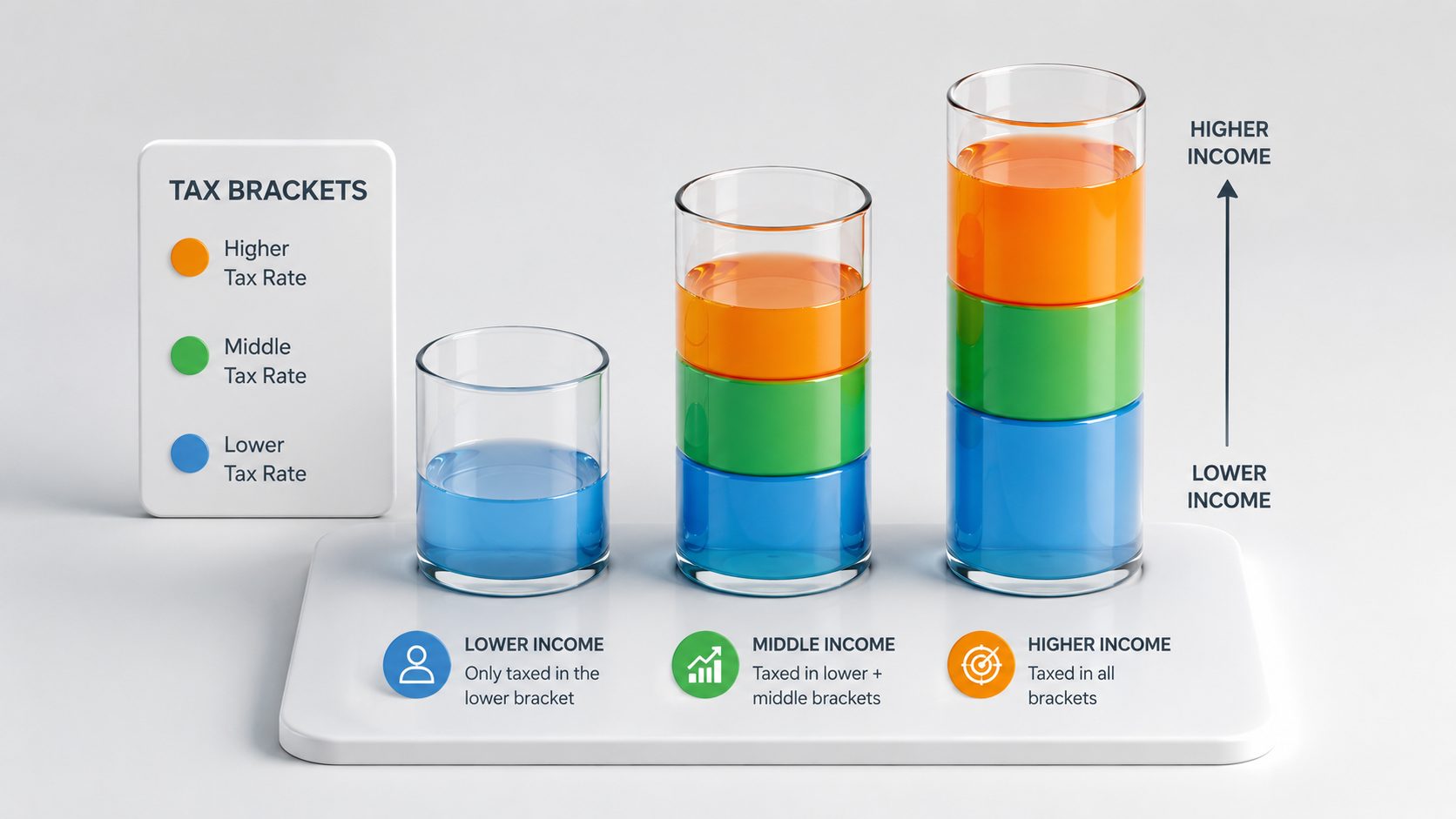
On a ₹50 lakh investment remittance: ₹10L passes tax-free, ₹40L attracts 20% TCS (₹8L). The ₹8L is refundable when filing ITR, but you need that cash upfront.
Verified Financial TermReviewed & verified by Galvin Mendonca, Finance Researcher
All figures from primary government sources. Last updated July 2026.

You Might Also Like

View All

Sources & references

The rules and figures on this page are researched from official primary sources:

Disclaimer: Definitions and explanations on this glossary page are provided strictly for general educational and informational purposes. They do not constitute formal financial, investment, legal, or tax advice. Financial regulations, caps, and limits change frequently. Always consult a qualified professional before making any financial decisions.